
Onion
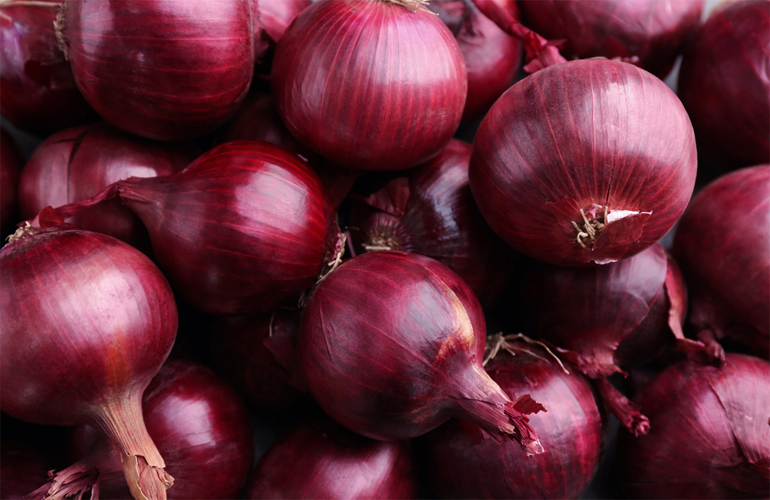
Onion
The onion (Allium cepa) is a widely cultivated vegetable belonging to the family Amaryllidaceae, closely related to garlic, leeks, and chives. It is believed to have originated in Central Asia and has been grown for thousands of years, playing a significant role in ancient civilizations such as Egypt, where it symbolized eternity due to its layered structure. Onions are characterized by their bulb composed of fleshy, concentric layers that store nutrients for the plant. They are rich in vitamins like vitamin C, B6, and folate, along with minerals such as potassium, and they contain powerful antioxidants like quercetin, which may help reduce inflammation and support heart health. The pungent smell and tear-inducing effect of onions come from sulfur-containing compounds released when the cells are broken; these compounds react to form a gas called syn-propanethial-S-oxide, which irritates the eyes.
Onions are used globally in cooking for their ability to enhance flavor, whether eaten raw, sautéed, caramelized, or fried, and they form a base ingredient in countless dishes across cuisines. In addition to culinary uses, onions have been studied for potential medicinal benefits, including antimicrobial properties and possible roles in reducing blood sugar levels. They are grown in a variety of climates, with major producers including countries like India, China, and the United States, and they come in several types such as red, white, and yellow onions, each differing slightly in taste, sweetness, and culinary application.

Send An Enquiry