
Maize
Maize
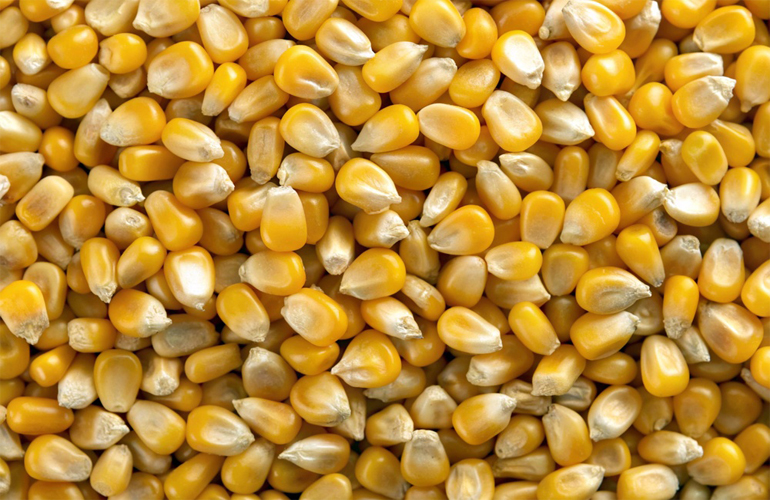
Maize (Zea mays), commonly known as corn, is a cereal grain that originated in southern Mexico over 9,000 years ago and was domesticated from a wild grass called teosinte. It belongs to the grass family Poaceae and has become one of the most important staple crops worldwide, serving as a primary source of food, animal feed, and industrial raw material. The plant typically grows tall with a single sturdy stem, long narrow leaves, and produces ears (cobs) covered with rows of kernels, which can vary in color such as yellow, white, red, or even purple. Maize is rich in carbohydrates, mainly starch, and provides dietary fiber, vitamins like B-complex (especially thiamine and folate), and essential minerals such as magnesium and phosphorus. It plays a crucial role in global agriculture, with major producers including the United States, China, Brazil, and India.
Beyond direct consumption as boiled or roasted corn, maize is processed into numerous products like cornmeal, corn flour, popcorn, corn oil, and high-fructose corn syrup, widely used in the food industry. It is also a key component in livestock feed and has significant industrial applications, including the production of biofuels like ethanol, biodegradable plastics, and starch-based products. Agriculturally, maize is valued for its adaptability to different climatic conditions, though it thrives best in warm, sunny environments with moderate rainfall. Advances in biotechnology have led to the development of hybrid and genetically modified maize varieties that offer higher yields, pest resistance, and drought tolerance, making it a cornerstone of modern food security and economic systems worldwide.

Send An Enquiry